html
How to Beat the Impossible Tic Tac Toe
In this blog post, we will explore the enigmatic world of puzzle games with a special focus on an age-old favorite: tic-tac-toe. While the classic 3×3 grid game seems simple, playing against a program labeled “impossible” adds a layer of complexity that can stump even the best players. We’ll guide you through the basics of the game, delve into its historical context, and provide you with strategies to tackle the so-called impossible version. For those keen on honing their skills and understanding what makes tic-tac-toe’s AI so formidable, this is the definitive guide to mastering the game and outsmarting the unbeatable machine. Read on and prepare to challenge the impossible odds.
Puzzle Games
How to play:
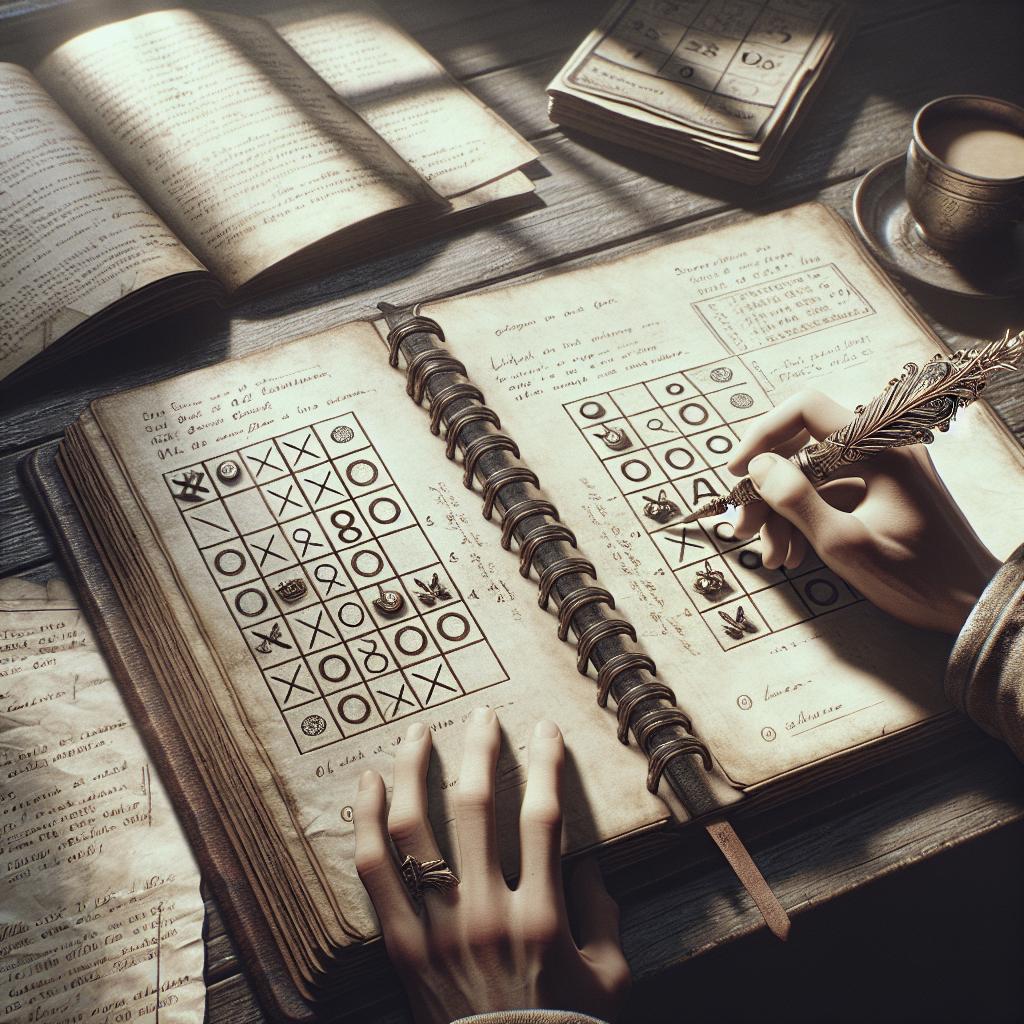
Puzzle games have been a part of human culture for centuries, offering both entertainment and mental stimulation. One of the simplest yet most familiar of these is tic-tac-toe. The game is played on a 3×3 grid, where two players, usually designated as X and O, take turns to fill the squares with their respective marks. The goal is to align three of your symbols in a row, column, or diagonal.
The simplicity of tic-tac-toe makes it an excellent introductory game for young minds, teaching them basic problem-solving and strategic thinking. Despite its modest nature, when enhanced with a competent AI opponent or played in different configurations such as larger grids, tic-tac-toe can challenge even seasoned players. Understanding its nuances and constraints is the first step toward tackling more difficult puzzles.
About the creator:
The origins of tic-tac-toe are somewhat murky, with variations of the game dating back to ancient civilizations. While the exact creator of the modern version is unknown, the game as we know it gained prominence in the 20th century. The earliest known reference to a tic-tac-toe-like game was found in the Roman Empire, known as “terni lapilli,” played on a grid-like board with pebbles.
As technology advanced, the development of gaming AI pushed tic-tac-toe to new heights. Computers learned to play the game with unbeatable precision, creating the now-dubbed “impossible” versions where the AI ensures that it never loses. These versions challenge players not only to win but to force a draw, elevating the classic game to a whole new level of competitive puzzle-solving.
Trending
In the world of digital entertainment, tic-tac-toe has seen a resurgence due to its easy accessibility and the challenge posed by advanced AI opponents. Mobile apps and online platforms frequently feature tic-tac-toe under various brands, with players eager to test their skills against impossibly difficult AI programs.
The trend isn’t just confined to digital formats; physical versions with twist mechanics and unique rulesets are gaining popularity as well. These variations entice players to explore new strategies and experience the game from fresh perspectives. The enduring appeal of tic-tac-toe lies in its simplicity intertwined with potential depth, ensuring that it remains a staple in the gaming community’s repertoire.
Strategy to Beat Impossible Tic Tac Toe
While many claim that it’s impossible to beat an AI programmed to play perfect tic-tac-toe, experienced players know there are strategies to force a draw. The key is understanding the AI’s decision-making process, which usually follows a min-max algorithm to determine the best possible move.
To increase your chances of not losing, start by occupying the center space. This move forces the AI into a defensive position, having fewer optimal paths. If the center square isn’t an option, claim a corner as your first move. React to the AI’s decisions by blocking its attempts at forming a row, while simultaneously creating your opportunities. With practice and attention to the AI’s patterns, it’s possible to stand your ground against even the toughest digital foes.
Related
For those fascinated with the mechanics of tic-tac-toe and wanting to explore further complexities, other games like Connect Four, chess, and go offer deeper strategic elements. These games broaden the understanding of strategic planning and opponent anticipation, key skills necessary for mastering puzzles and board games in general.
Furthermore, studying game theory and algorithm design can provide insights into how AI evaluates potential moves. This knowledge not only enhances one’s ability to play tic-tac-toe against computers but also cultivates an appreciation for the computational logic that powers many modern games today.
Keep Reading
Enthusiastic gamers and puzzle solvers can explore resources like online tutorials, strategy guides, and community forums dedicated to game strategies. These platforms offer insights, tips, and a community of like-minded individuals eager to discuss new challenges and solutions.
Books and courses on game theory and AI development are also available for those who wish to further delve into the science behind game strategies. Whether you’re a casual player or an aspiring game developer, understanding the intricacies of game mechanics can provide a richer, more rewarding gaming experience.
| Section | Summary |
|---|---|
| Puzzle Games | Explores the general nature of puzzle games, with a focus on tic-tac-toe’s rules and educational benefits. |
| About the Creator | Delves into the historical origins of tic-tac-toe and its evolution into the impossible AI versions. |
| Trending | Discusses the current popularity of tic-tac-toe and its various adaptations in modern gaming culture. |
| Strategy to Beat Impossible Tic Tac Toe | Provides strategic insights on how to confront and draw against AI in impossible tic-tac-toe. |
| Related | Suggests other strategic games and educational resources for further exploration of game tactics. |
| Keep Reading | Encourages readers to delve deeper into game strategy and AI theory through various media. |