
html
How to Change Your Email Name
Changing your email name can be a simple task, but it varies depending on the email service you use. Whether you want to update your name for professional reasons or simply prefer a fresh start, this guide provides a step-by-step approach to help you alter your email name effectively. We will explore the possible limitations, the steps required for changes, and the option of creating a new email address if necessary. Moreover, we’ll touch upon related resources and articles to provide a comprehensive understanding. By the end of this post, you’ll be equipped with the knowledge to navigate email settings with ease.
How to Change Your Name
Your email name is often the first point of contact people have with you online, making it essential to ensure it reflects your current identity or branding. Whether due to a life event, such as marriage or taking on a new professional role, changing your name to match your evolving personal or career needs is crucial.
Changing your email name involves altering the display name associated with your email account. This name appears in the recipient’s inbox when you send an email, influencing how your messages are perceived. Updating your email name can reinforce your personal brand, thereby aligning your online presence with your current goals.
What This Email Address Is
Your email address is your unique identifier in the digital world. It usually consists of a local part, the “@” symbol, and a domain. While the back-end domain often remains static because it indicates your email provider, the local part and display name can typically be altered.
While your email name is what others see when you send messages, the actual address, or local part, is often harder to change. While some services allow tweaks to your email name, completely altering the email address might require setting up a new account to better reflect your updated identity.
Step 1: Check if You Can Change It
Before planning a change, it’s important to verify whether your email provider allows updates to your email name. This ability can vary significantly between providers. For example, during this assessment, you’ll want to understand the difference between altering a display name and the email address.
Invest some time exploring the help or settings sections of your email provider. Understanding these parameters will help you decide the best course of action for efficiently managing your online identity.
Step 2: Change It
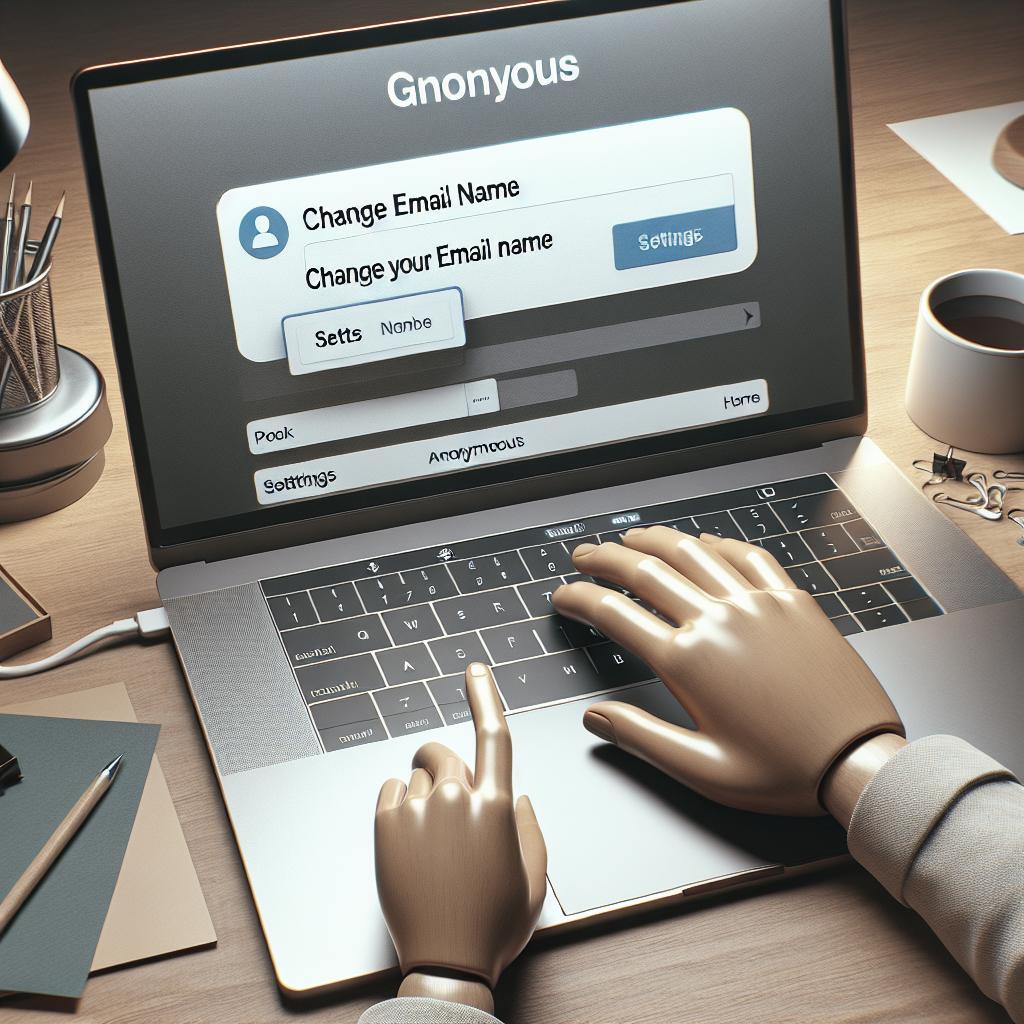
Once you confirm that changes are possible, proceed by logging into your email account and navigating to the “Settings” or “Profile” areas. Find the option related to account information or personal details. This is often where you can modify your display name.
Remember to save any changes made. It might take some time for these changes to reflect across all email exchanges, so give it a few hours before expecting full updates in your sent messages.
Create a New Email Address
If your current email provider doesn’t allow you to alter your email name or the changes aren’t sufficient, establishing a new email address might be the best solution. This involves choosing a new email name that better fits your identity and setting up an entirely new account.
Upon creating a new email address, you’ll need to inform your contacts of this change. Transferring any necessary correspondence and setting up email forwarding from your old address will ensure a smooth transition without missing important communications.
Related Resources
Sign in with Google
Google Account settings offer an easy way to manage many facets of your personal information, including your email display name. By signing in to your account, you can swiftly access and modify the necessary settings.
Leveraging Google Account’s cohesive platform ensures you maintain control over your online identity with minimal disruption.
Chrome Remote Desktop
For users who need remote access to machines for assisting others in changing their email settings, Chrome Remote Desktop is an invaluable tool. It provides a way to securely access and manage tasks without being physically present.
Using this tool, you can offer assistance to friends or family needing help with their email account settings, further amplifying your tech support capabilities.
Related Articles
Exploring further resources and related articles can deepen your understanding of managing electronic communications and identity. Topics may include cybersecurity on email platforms, utilizing alias emails, or best practices for digital branding.
Delving into these subjects will expand your knowledge, equipping you with comprehensive strategies for a robust online presence.
Lessons Learned
| Step | Description |
|---|---|
| Check if You Can Change It | Confirm your provider allows changes and understand the limitations. |
| Change It | Alter your display name through the settings or profile sections. |
| Create a New Email Address | If necessary, establish a new address that reflects your current identity. |
| Related Resources | Utilize platforms like Google Account settings and Chrome Remote Desktop for management and support. |
| Related Articles | Explore supplementary resources for a deeper understanding of email identity management. |

